
Homelands, heartbeats and high octane horticulture: A snapshot of South Africa

I recently had the pleasure of going home. Well, my home from home, where I was born and grew up for the first half of my life before immigrating to the UK in 2008. And what a place to be born, in the sweltering heat of mid-Summer in Durban, on the south-east coast of South Africa. A province warmed by the Agulhas current which runs down the east coast, creating the humid, sub-tropical climate that characterises my childhood memories: sunburn, sweaty walls, cicadas, cockroaches, chameleons and verdant, saturated green growth.
In some ways, I feel like I did everything backwards. While I only started my formal training in Gardening ten years ago, I soon realised that I started my training in infancy. Having grown up in a family of keen hobby-gardeners and conservationists, an appreciation of the natural world together with the botanical names of plants, birds and insects was as normal a part of my vocabulary as the names of people and places.
It was only during my comprehensive horticultural training in the UK, when I felt the strong pull towards working with more tender or tropical plants that can typically only be grown in glasshouses, our homes or artificially created environments here, that I realised the irony of wanting to grow the plants I grew up with. In a sense, becoming a Gardener has been my way of navigating my homesickness. With the added irony that the more I’ve learned about ‘exotic’ plant species here, the richer my experience of going home has become. I realise now that I grew up in one of the world’s many Gardens of Eden.
This article is an attempt at giving you just the slimmest glimpse of my slice of South Africa, limited to the east coast and five hours inland by car.
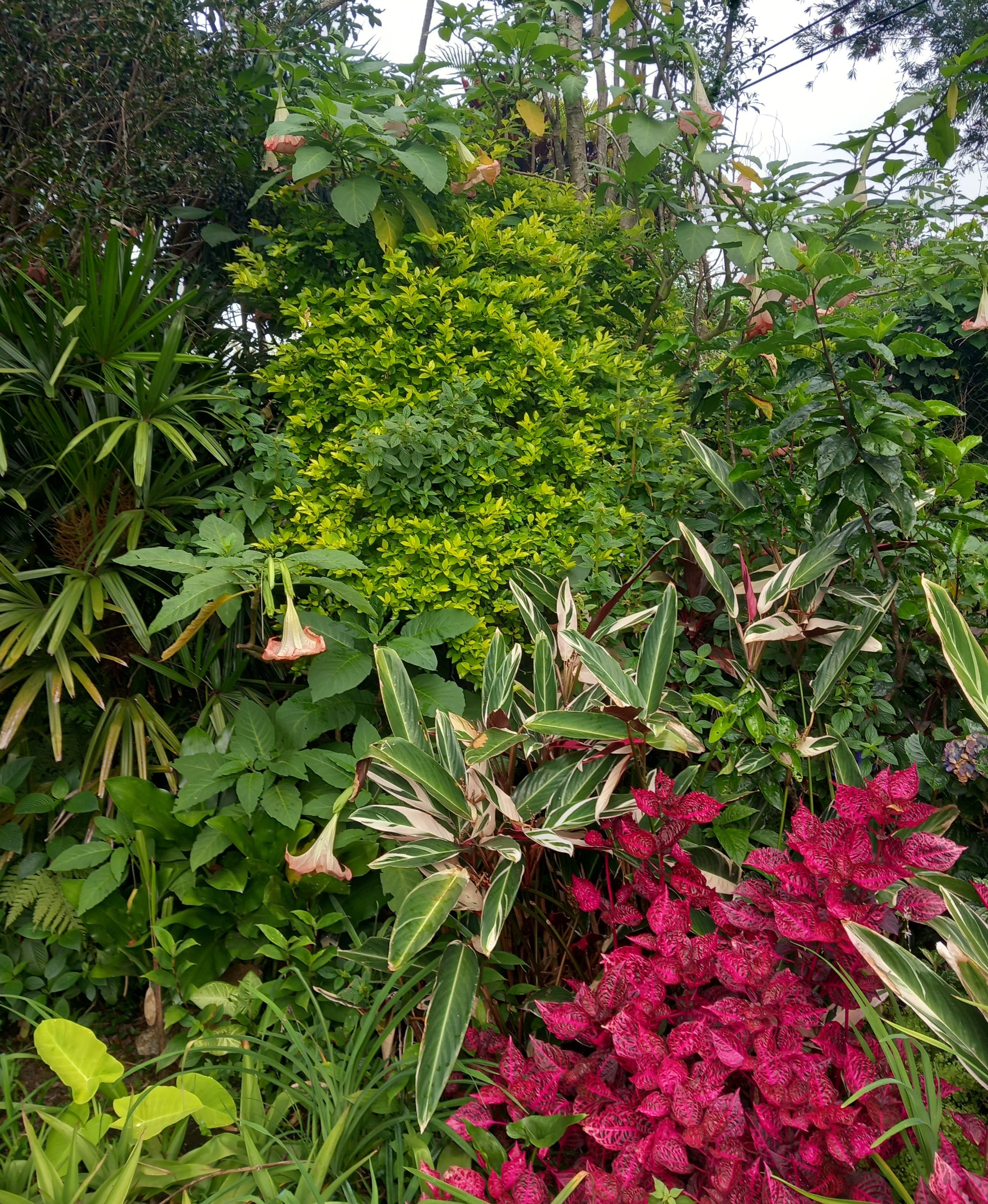
Let’s start close to home – as in, a corner of my mum’s garden – which is not far from the coast. It’s summer in South Africa at the moment and in KwaZulu Natal that means temperatures as high as 35 degrees Celsius and humidity levels between 60-70%, the essential ingredients needed for the lush, rampant growth of tropicals like the Bloodleaf plant, Iresine herbstii, Brugmansia, commonly known as Angel’s Trumpet, Colocasia, commonly known as Elephant’s Ear, the Lady Palm or Rhapis excelsa aka Rhea, and the distinctly recognisable Stromanthe sanguinea ‘Triostar’ (prev Calathea) aka Tristan. You’re likely to recognise all if not some of these from houseplant, glasshouse or annual bedding displays in the UK.
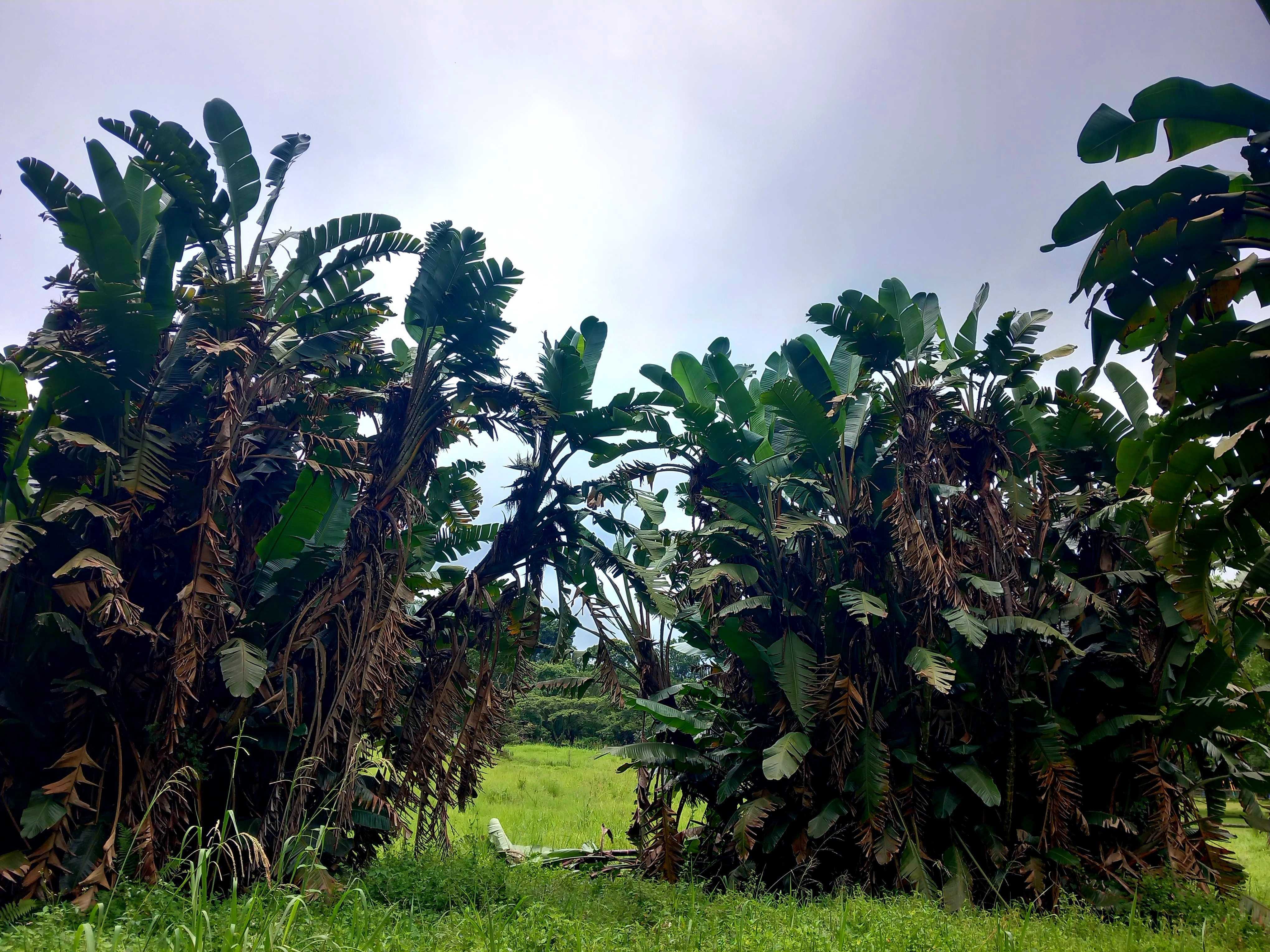
As if this isn’t enough, a few feet down the street and looking up from eye-level heralds Stelitzia nicolai aka Nicolau, Monstera deliciosa aka Chaz and Philodendron scandens aka Phil. I’m not talking pot plant versions of these Patch characters though, I’m talking twenty feet tall, climbing trunks and draping from the trees scale specimens.
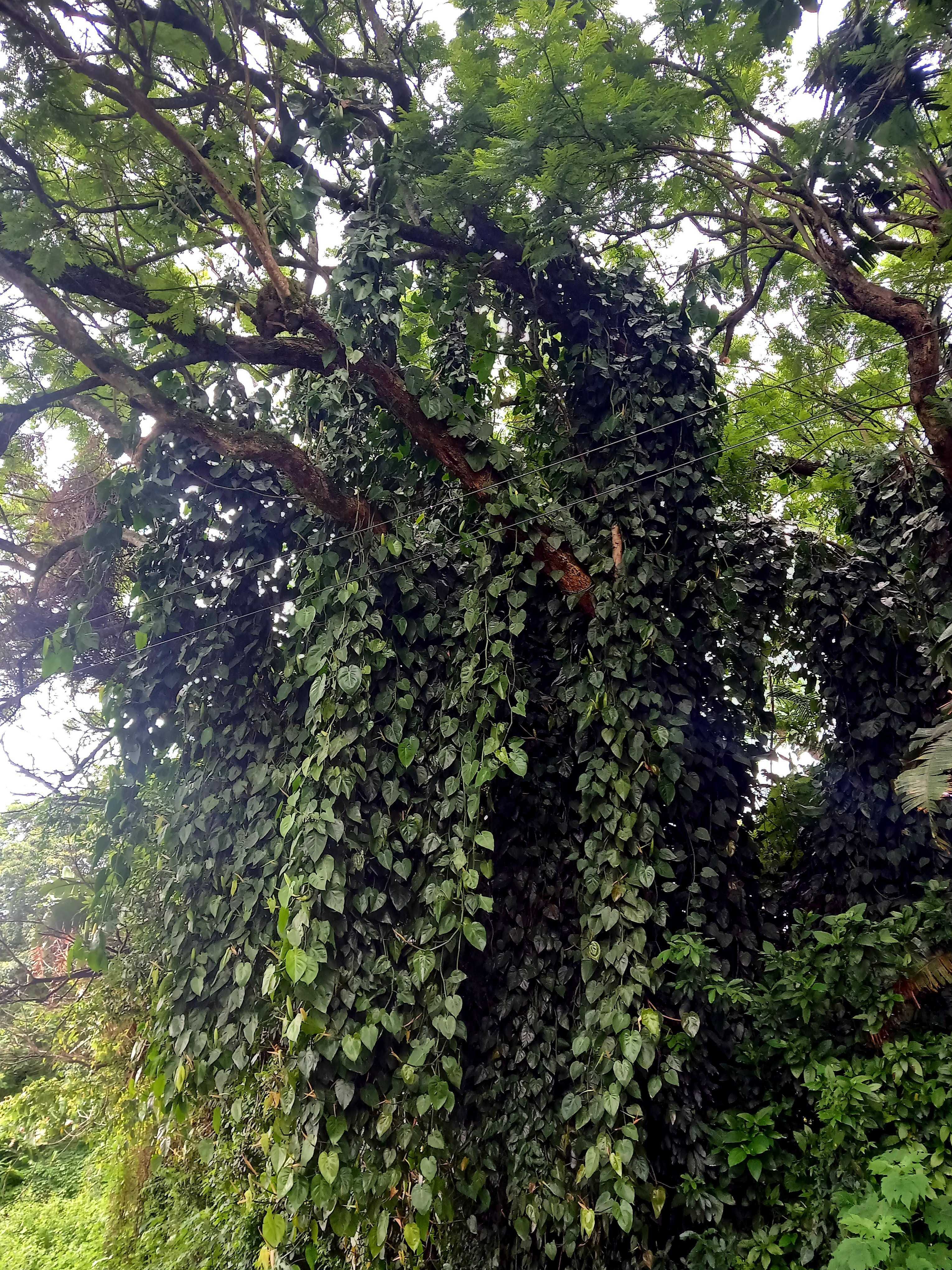
Even though some of these plants aren’t native to South Africa, the climate isn’t dissimilar to parts of central and south America and it’s a privilege to see them growing in conditions in which they thrive. There’s such humility and so many lessons to be gained in seeing common houseplants in the wild: how plants seem to enjoy growing onto, into or next to each other, the levels of light and humidity we need to attempt to replicate when growing them in more temperate climates, the climbing frames we need to mimic, and indeed, how some plants prefer to free-fall rather than cling.
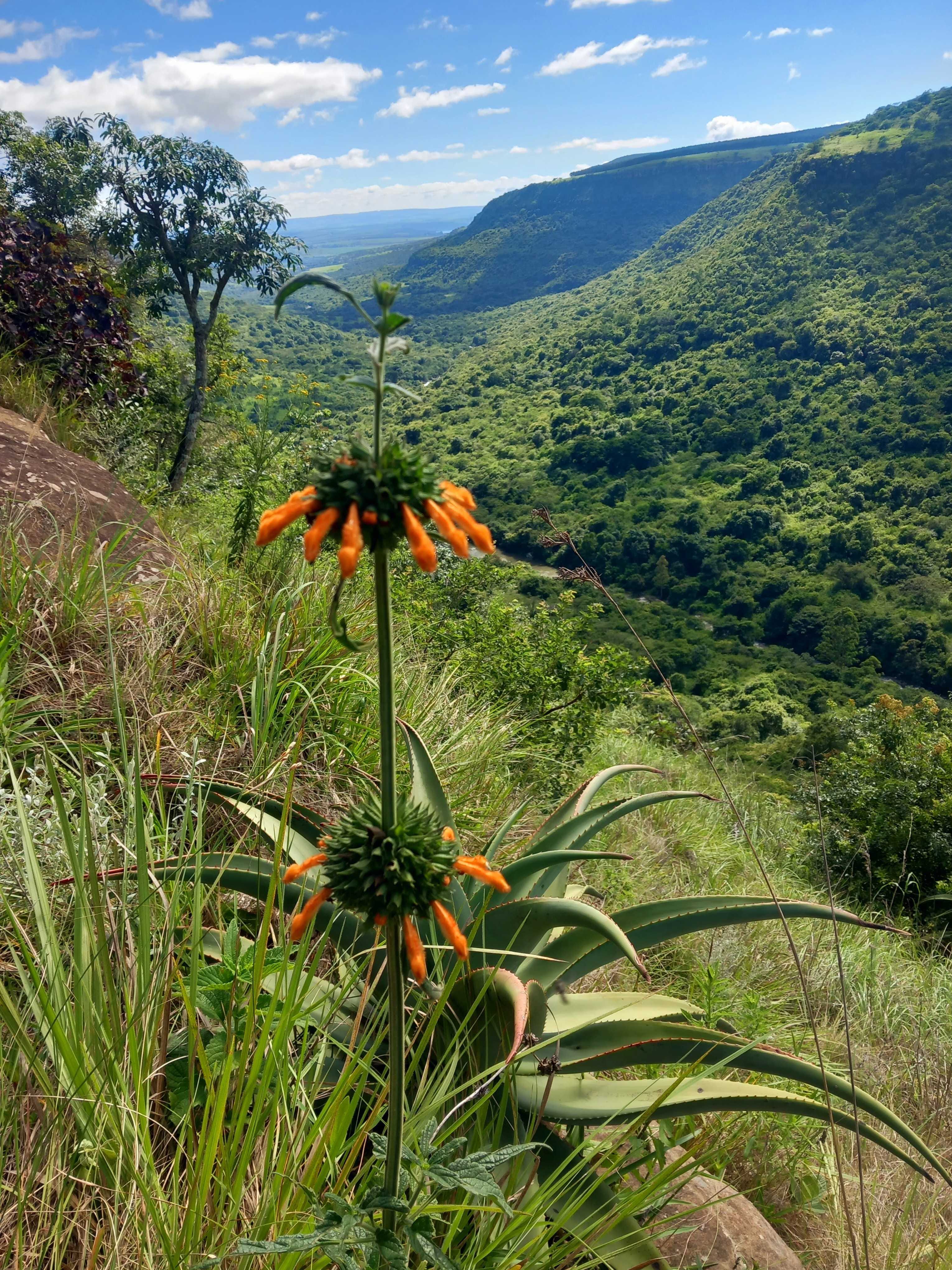
About two and half hours inland from the coast, approximately 1050 meters above sea level, brings you to an area called ‘the Midlands’ which you can meander through via art galleries and farm shops on your way to the Drakensberg mountains. This is fertile farmland and grazing territory alongside rich grassland habitat which is punctuated by deep tree-canopied gorges. See below Leonotis leonurus, known as Lion’s Ear and commonly grown in herbaceous borders in the UK, growing next to an Aloe that overlooks the Umgeni river.
Two and half hours further inland, and a steep climb up to an altitude of 2700m above sea level later, brings you to Golden Gate Highlands National Park. An area covering 340 km2, Golden Gate forms part of the Drakensberg and Maluti Mountain ranges bridging KwaZulu Natal, the Free State and Lesotho. The characteristic feature of this unique and ancient landscape are its golden-ochre sandstone cliffs, outcrops and caves, formed by seismic shifts and eroded over time by wind and rain. History is written into the earth of this place, quite literally. Within the caves you’ll find Khoisan rock paintings depicting half-human half-animal figures dating back 3000 years to when these hardy hunter-gathering people lived in harmony with the natural world.
And yet these rock-records are young compared to the fossilised dinosaur eggs discovered in the 1850’s, bringing to life the herbivorous dinosaur Massospondylus (meaning ‘longer vertebrae’ due to its long neck), prolific in the area during the Jurassic period.
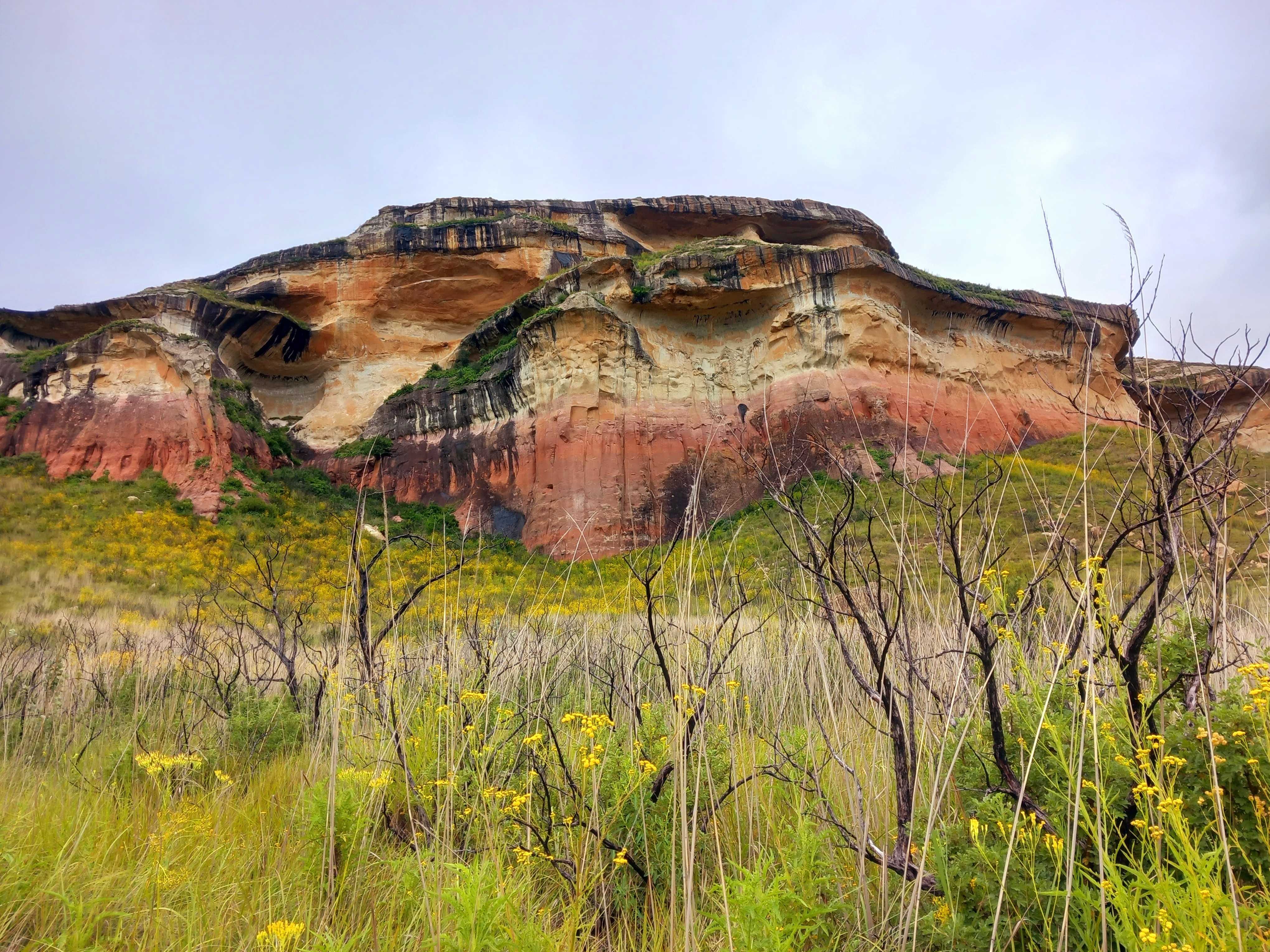
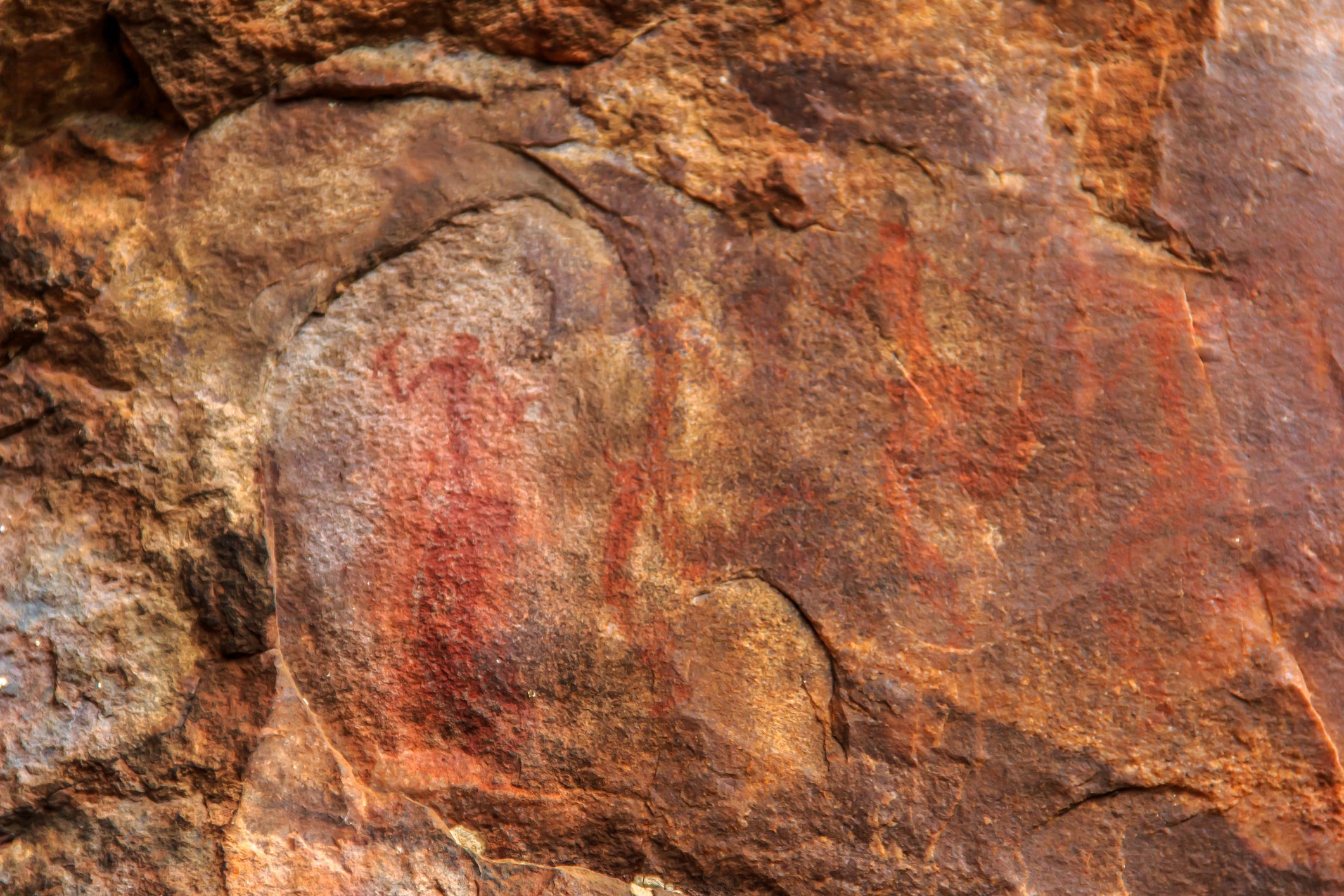
Image thanks to Richard Miles on Istock
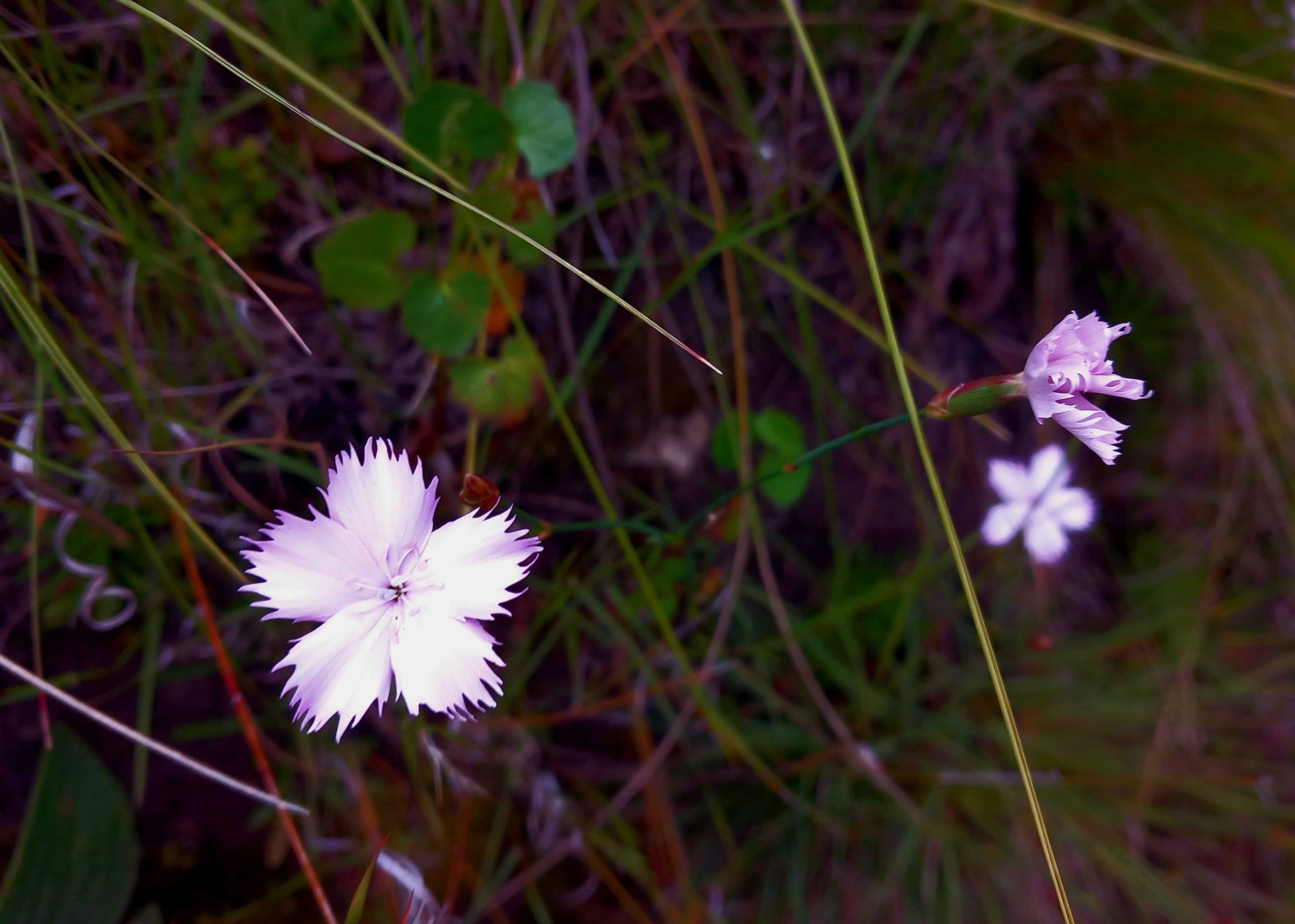
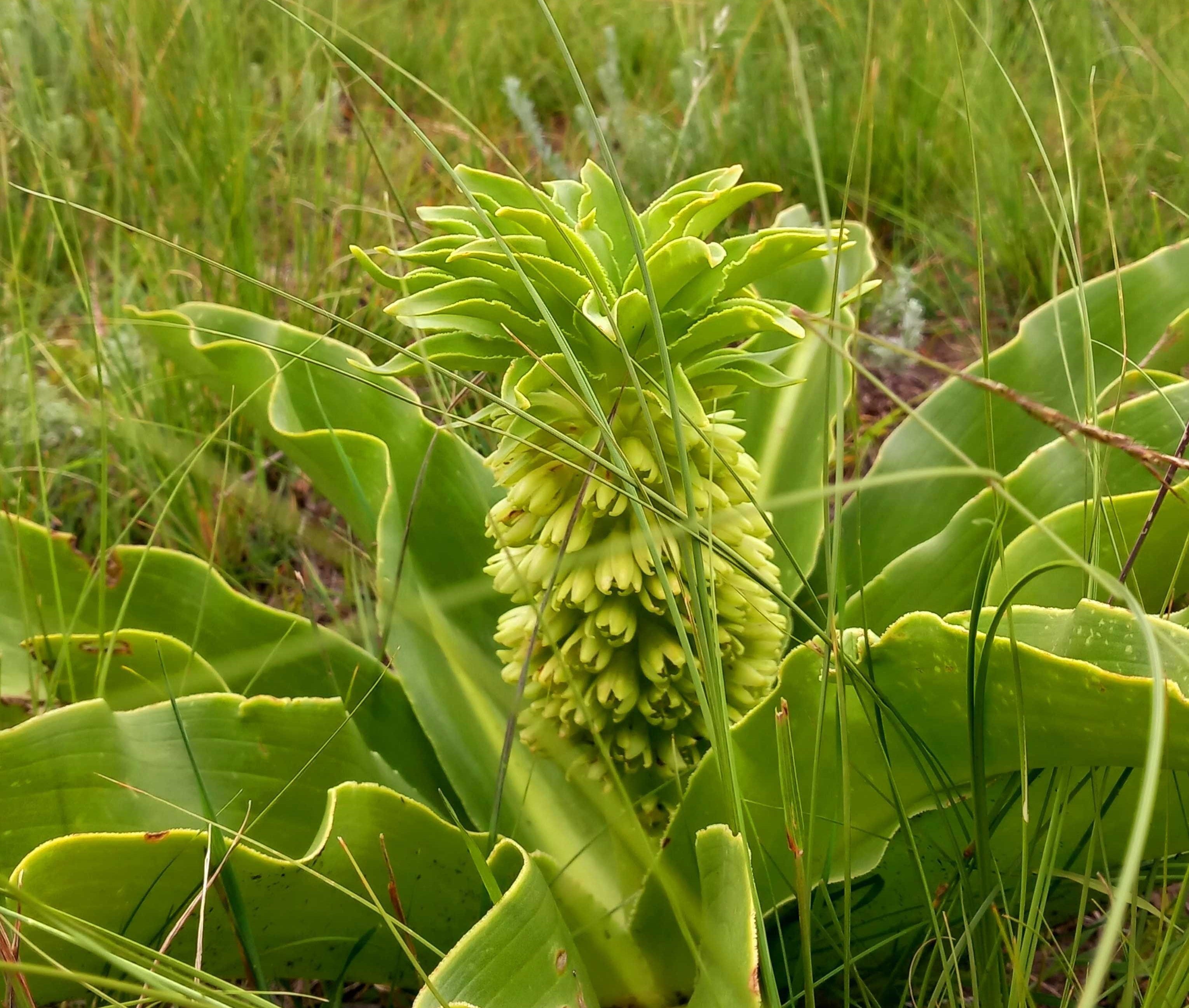
Its elevation makes this area one of the world’s richest and most biodiverse floral kingdoms, including Austro-Afro montane grasslands and Afromontane forests. I had the privilege of staying in a lodge nestled right up in the mountains and spent as many hours as I could off the beaten tracks, tiptoeing my way around grassy tussocks. I say tiptoeing because every step you take on this land reveals another botanical jewel, whether this be the dainty pink Dianthus basuticus, commonly known as the Drakensberg Carnation, or the more bizarre-looking, dwarf but floriferous Pineapple lily, Eucomis humilus
One of the joys of having an extended period of time in a place as a Botanist, is getting a feel for how the earth below and the weather above influence what can grow. Over the days we were there, we experienced dense morning fog that burned off into searing heat, flashes of heavy rain combined with electric thunderstorms, and hours of low, layered cloud constantly on the move as wind channelled through the valleys. These strong winds in combination with dry, freezing winters and the light exposure that comes with such high altitudes all combine to create low growing, smaller and more compact species, often with succulent water-storing or silver-grey light-reflecting leaves.
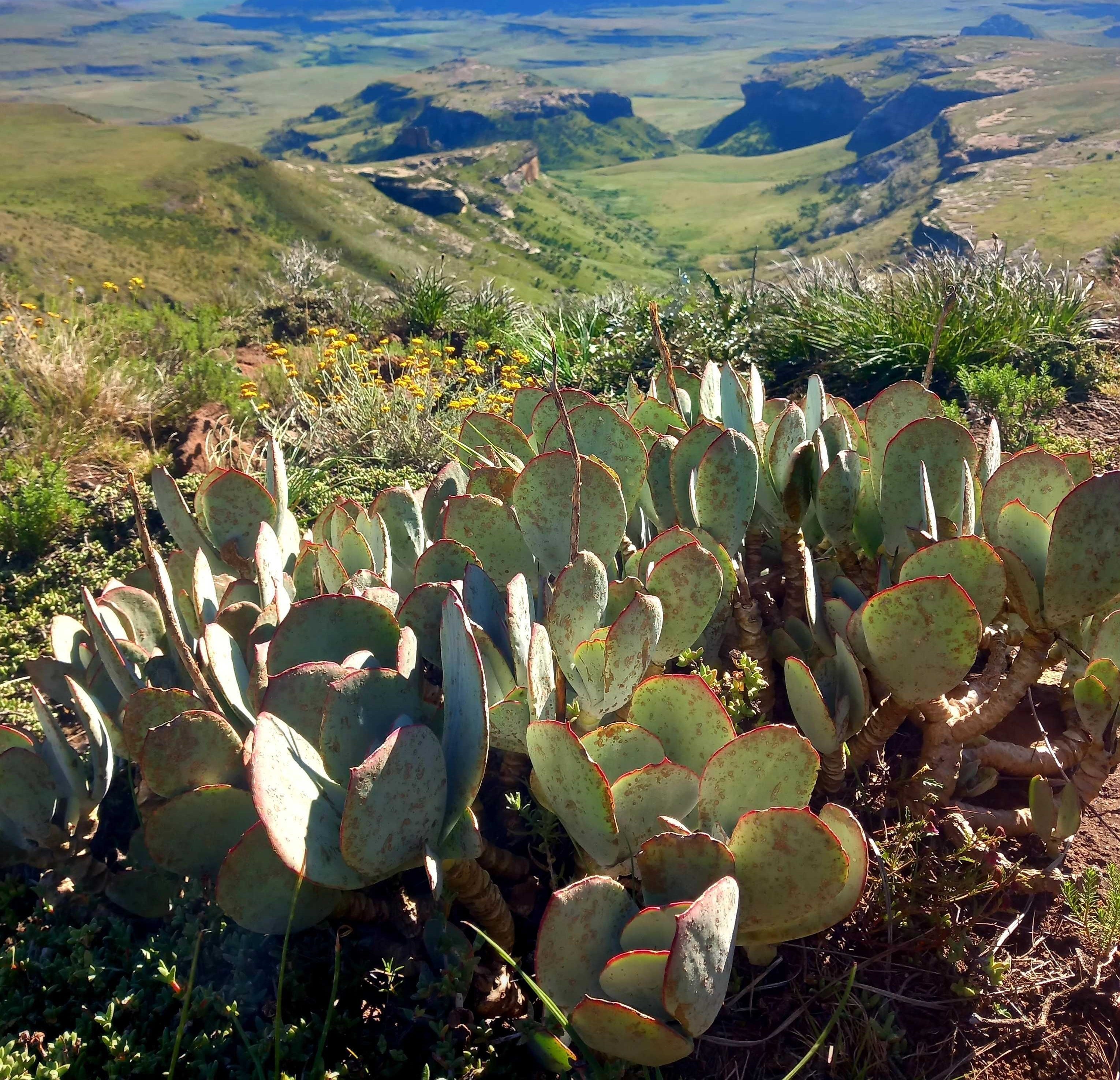
It always strikes me when gardening or botanising in the wild how focused my attention becomes. I get caught up in the minutiae, in deep fascination and appreciation of detail. This is in part the Gardener in me, and in part the Artist. But simultaneously I’m aware of my body responding on a mammalian level to the smells of the vegetation, the texture of the air, the new and fluid ways of moving in, among, over and around plants and rocks. Underpinning this aliveness of sensation is an awareness that my breathing and my heart beat have slowed, that with being in-awe or focused-presence with the task at hand – even if this is simply observation – a timelessness opens up. And then, I look up. Snapped back into consciousness to take in the fuller picture: the valley, the garden, the sky.
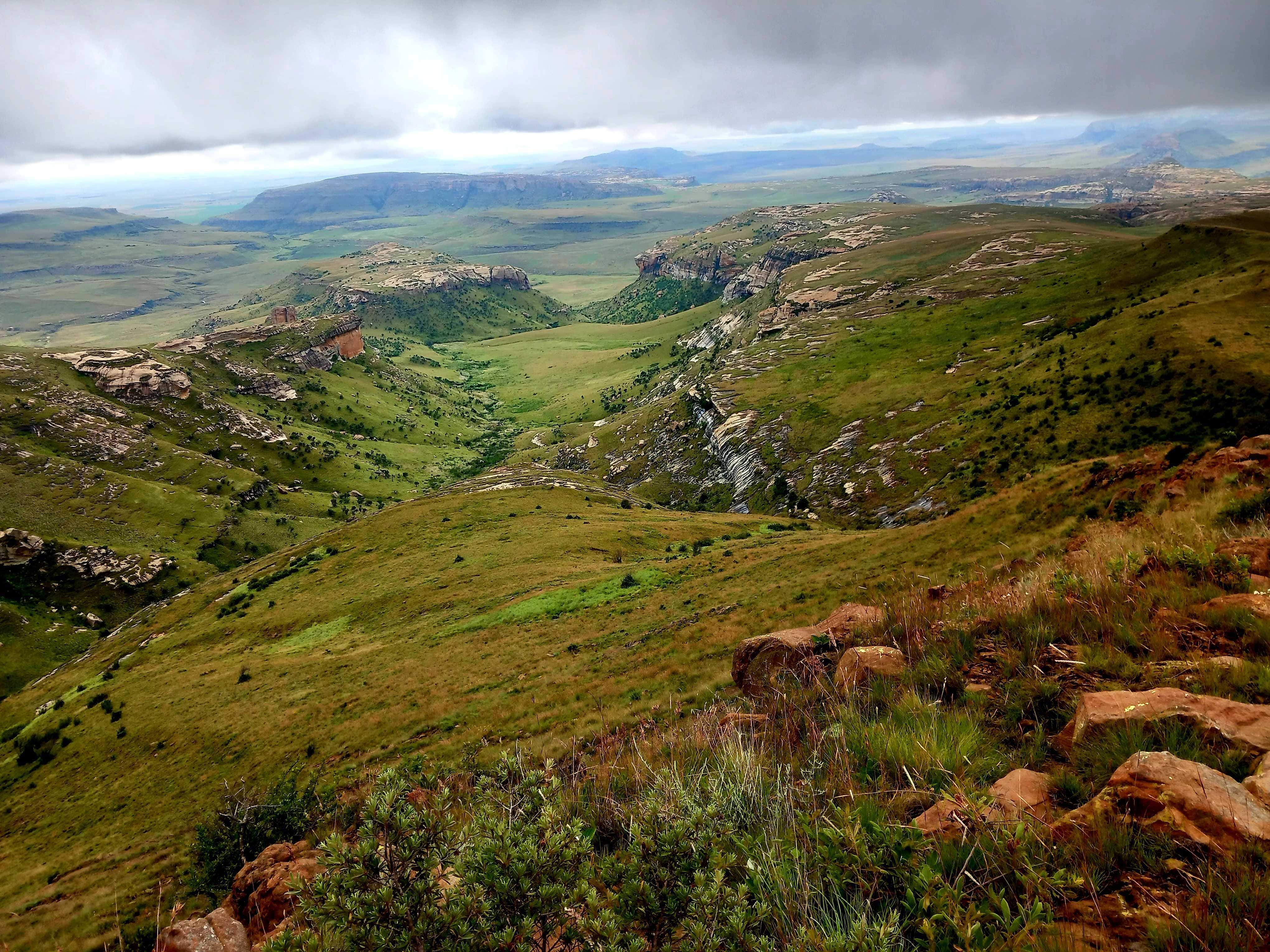
Whether in the mountains and coastal gardens of South Africa, or tending to my houseplants in my now home-from-home Hastings, East Sussex, this same feeling of deep calm and suspension is inevitable when appreciating the natural world. While I have returned to the UK with a renewed awe for my birth-country, I’ve also come back with a renewed respect for the myriad ways in which both plants and people adapt to their local environments, often with spectacular results.
Thank you for coming on this journey with me :)
We’d love to hear more about what gardening and being in nature does for you. Feel free to share in the chat or to comment on this post.
As I’m weeks away from doing this exact trip this article has inspired me to be more aware of the beautiful plants and surroundings that I will have the joy of observing first hand on my first trip to Kwazulu Natal Thanku Patch